Pipeline Integrity Digs: How Hydrovac Supports Inspection, Repair and Valve Replacement
Pipeline integrity work demands controlled excavation. Before an operator can inspect, repair or replace buried infrastructure, the pipeline and surrounding assets must be exposed safely and with enough working room for the next phase of the project.
Hydrovac excavation is well suited to this work because it gives project teams a precise, non-destructive method of removing material around existing infrastructure. It is used for daylighting, pipeline exposure, valve excavation, trench support and work around congested crossings where mechanical excavation alone may introduce unnecessary risk.
DIGS Hydrovac supports pipeline and energy contractors throughout Alberta, including remote projects where frozen ground, limited access, water supply, disposal and coordination with multiple crews all become part of the excavation plan.
What Is a Pipeline Integrity Dig?
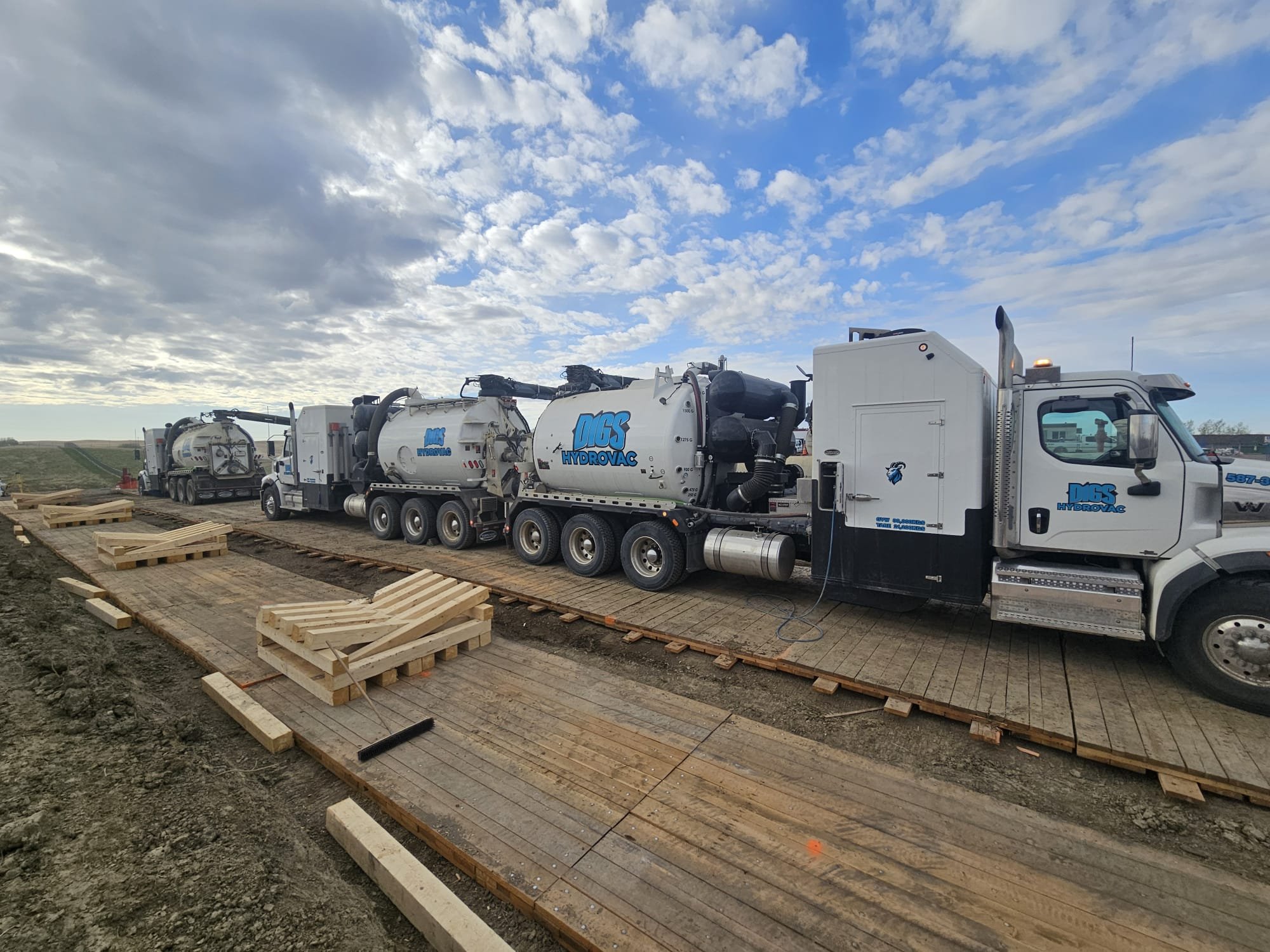
Pipeline integrity programs inspect and maintain existing pipeline systems to help ensure continued safe operation. A dig may be required to expose a section of pipe for inspection, coating work, repair, replacement, valve work or another integrity activity.
Unlike new construction, integrity work takes place around existing infrastructure. The excavation plan must consider the operating pipeline, nearby utilities, access requirements and the space needed for personnel and equipment once the pipe is exposed.
Daylighting Before the Main Excavation
One of hydrovac's most important roles is confirming the location and depth of infrastructure before mechanical excavation proceeds. Crossings and nearby utilities can be daylighted so the excavation team has real field information rather than relying only on drawings or surface markings.
This is particularly important in established pipeline corridors where several assets may occupy the same area. Accurate exposure supports safer excavation limits and better planning for the ditch.
Exposing the Pipeline and Valve Assemblies
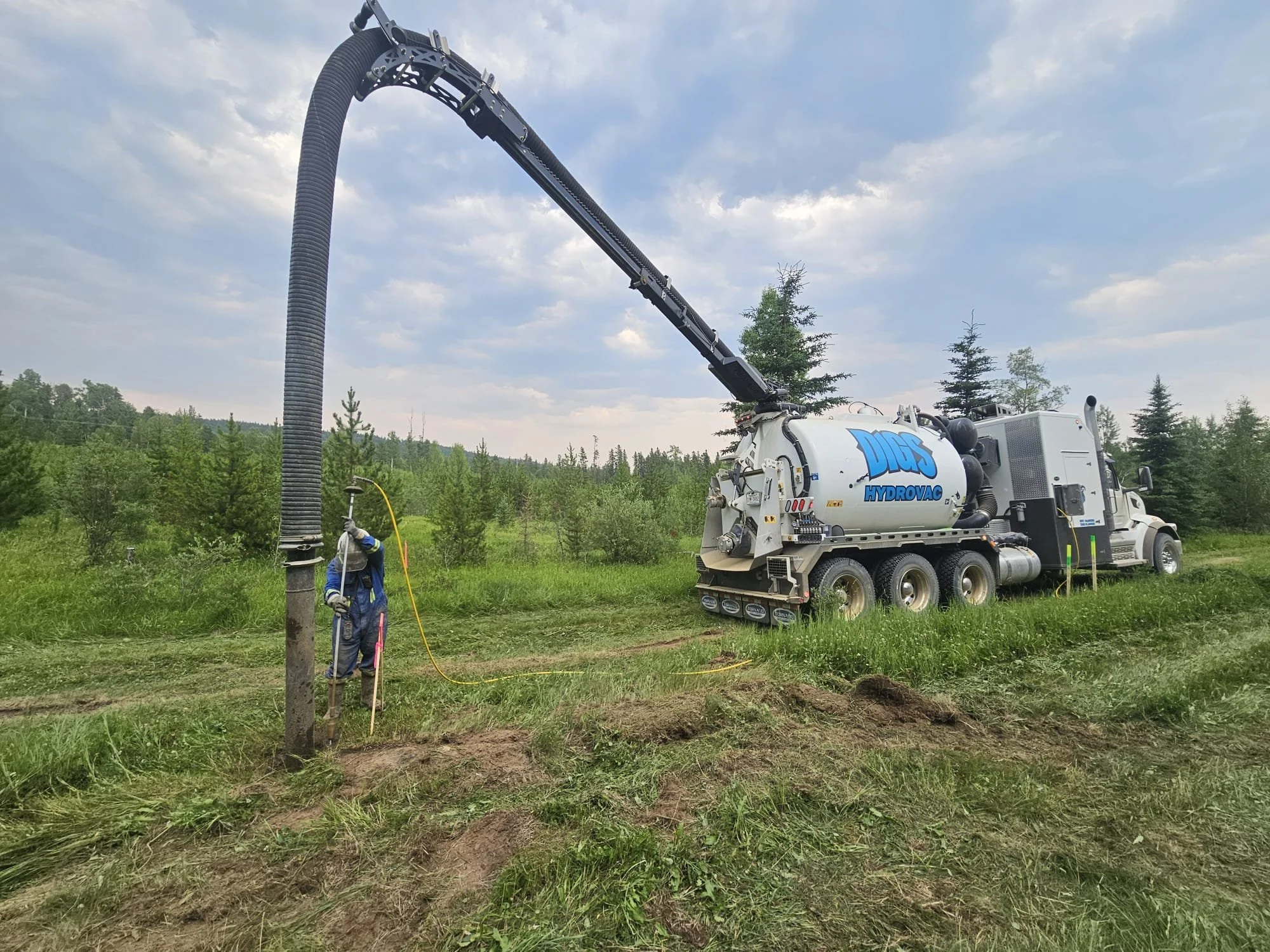
Hydrovac can remove material directly around the pipeline, valves and associated infrastructure with a high degree of control. Operators can work progressively around the asset and provide the access required for inspection or replacement activities.
For valve replacements, the excavation may need to expose both the valve assembly and enough adjacent pipeline for the contractor to safely complete the work. The hydrovac crew must coordinate closely with field supervision as the excavation develops.
Working Around Congested Infrastructure
Pipeline facilities and corridors can contain electrical, instrumentation, communications, drainage and other buried systems in addition to the primary pipeline. Congestion increases the importance of precise excavation.
Experienced hydrovac operators continually evaluate what is being uncovered, communicate with the project team and adjust the excavation method as conditions change.
Remote Locations Change the Logistics
Many pipeline integrity projects are far from urban water sources and disposal facilities. Travel time, road conditions, water availability and approved disposal options can become major production factors.
Remote hose may also be required where the truck cannot safely reach the excavation. Planning these requirements before mobilization helps reduce unnecessary downtime.
Frozen Ground and Changing Alberta Conditions
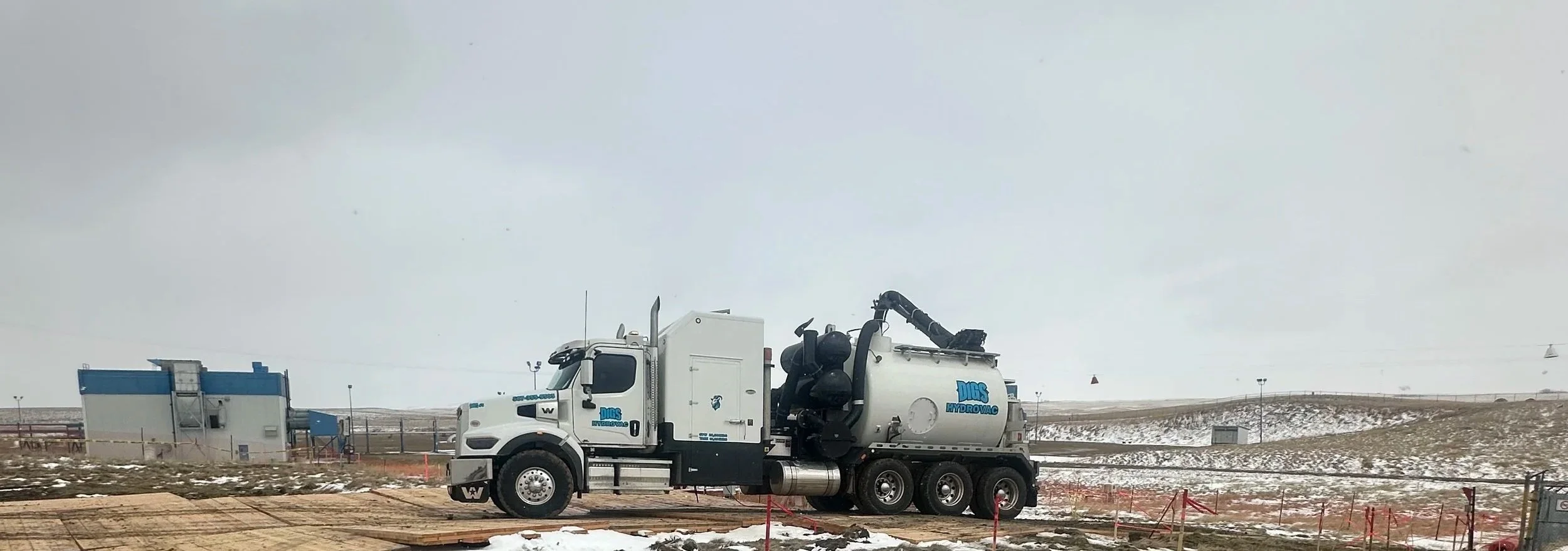
Integrity work does not stop when temperatures drop. Heated water allows hydrovac equipment to excavate through frozen ground, but frost depth and changing weather can affect production.
A project can begin in deeply frozen conditions and finish in softer, wetter soils. Operators need to adjust technique and water use while maintaining control around the pipeline.
Supporting the Entire Excavation Sequence
Hydrovac support can extend beyond initial daylighting. Crews may assist as mechanical excavation progresses, clean around infrastructure, remove material from difficult areas, support trench development and return as additional access is required.
Water truck support and thoughtful spoil management can also improve efficiency on remote or high-volume projects. The objective is to keep the integrity contractor productive rather than treating the hydrovac as an isolated service.
A DIGS Pipeline Integrity Example
On a Central Alberta valve replacement project, DIGS supported a reputable general contractor working for a major Canadian pipeline operator. The work included utility daylighting, pipeline and valve exposure, trenching support, remote hose and water truck support.
The site was remote, utilities were congested and the project began in frozen conditions. DIGS coordinated with field supervision to safely expose the valve and pipeline so the contractor could enter the excavation and replace aging infrastructure. The work was completed without utility strikes while supporting the customer's schedule and spoil management requirements.
How DIGS Supports Pipeline and Energy Contractors
DIGS provides experienced operators, modern hydrovac equipment and responsive dispatch for pipeline integrity, facility maintenance, tie-ins, valve replacements and related energy infrastructure work across Alberta and Western Canada.
Our approach is based on understanding the excavation's role in the larger project. Safe exposure, communication, water and disposal logistics, remote access and schedule coordination all matter when the next crew is waiting on the ditch.
Frequently Asked Questions
Why is hydrovac used on pipeline integrity digs?
It provides controlled excavation around existing pipelines and utilities, helping crews confirm infrastructure and expose assets while reducing the risk associated with mechanical contact.
Can hydrovac work in remote pipeline locations?
Yes. Remote projects require additional planning for water, disposal, access and travel, and remote hose can help where truck access is restricted.
Can hydrovac expose pipeline valves?
Yes. Hydrovac is commonly used to expose valves, pipeline sections and surrounding infrastructure for inspection, maintenance and replacement work.
Does hydrovac replace mechanical excavation on an integrity dig?
Not necessarily. Hydrovac and mechanical excavation often work together, with hydrovac used for daylighting and precision work around infrastructure.
Contact Us
Need hydrovac support for your next project?
DIGS Hydrovac provides safe, responsive excavation support across Calgary, Edmonton and Alberta. Our experienced operators support planned projects, time-sensitive infrastructure work and 24/7 requirements.