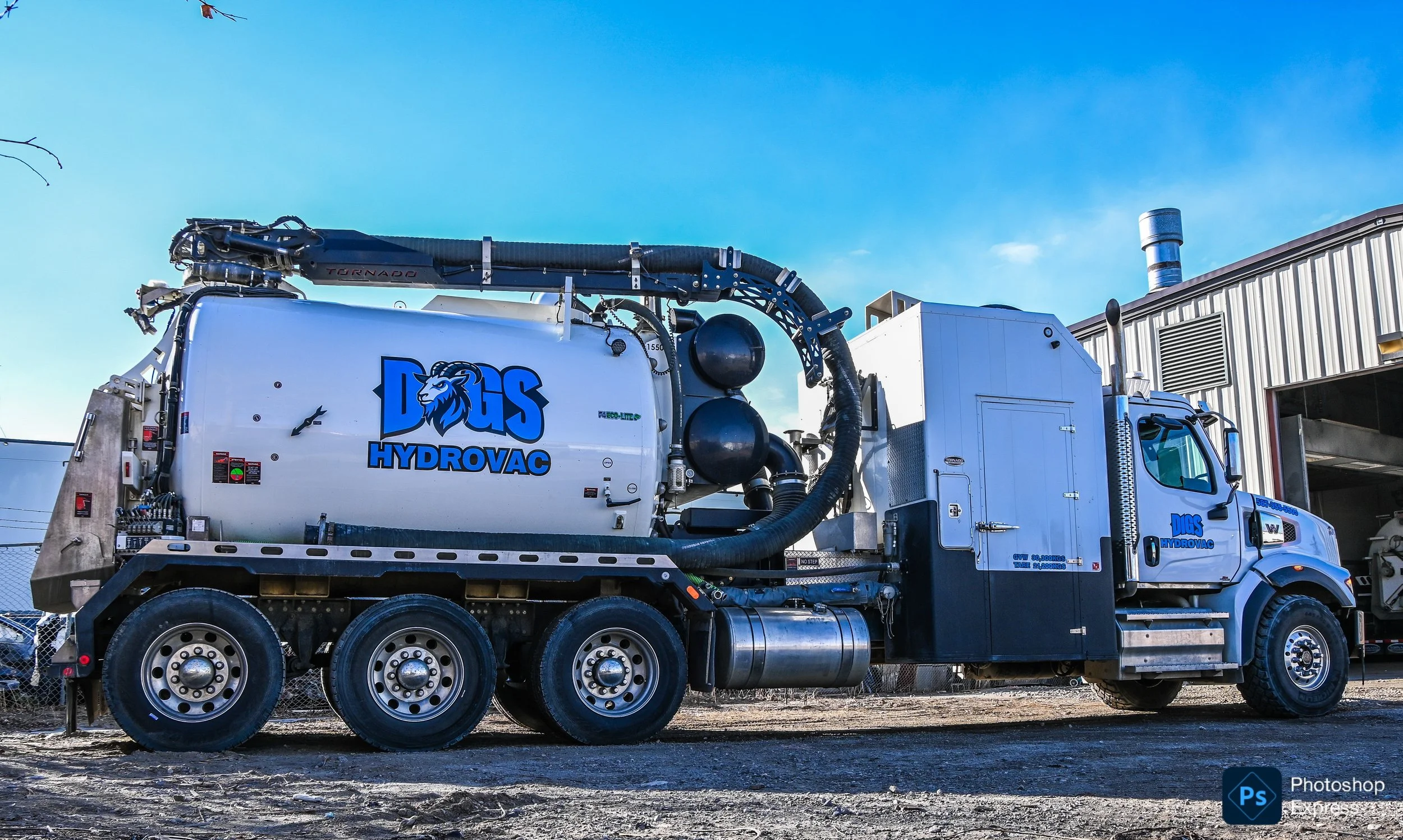
DIGS Hydrovac supports contractors, utilities, and municipalities with reliable potholing services across Western Canada. If your project requires safe verification of underground utilities, our team is ready to assist.
Targeted potholing services to visually confirm the location and depth of underground utilities before excavation begins.
Hydrovac Potholing Services
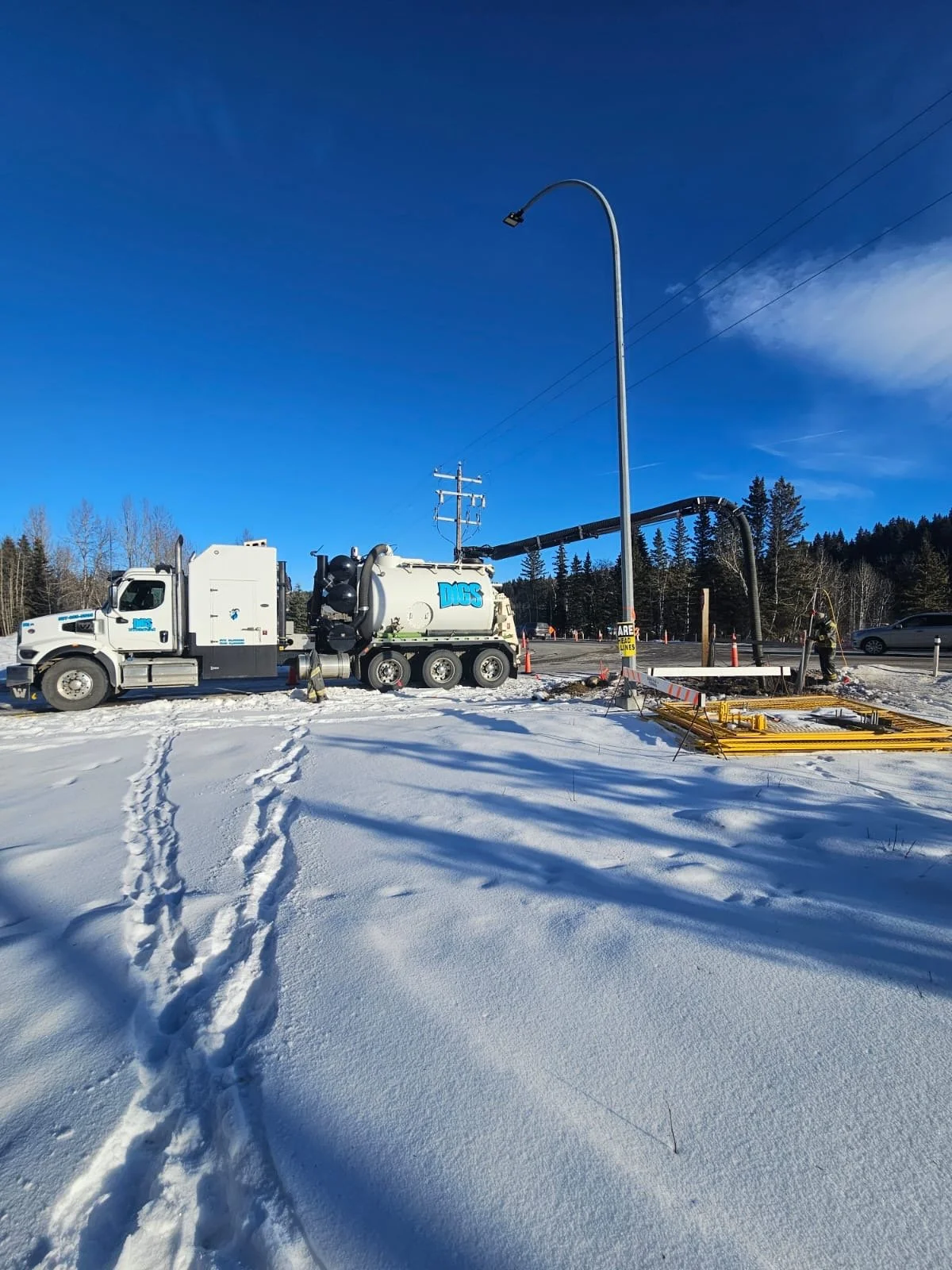
Potholing is a controlled excavation method used to expose underground utilities through small, targeted excavations. The purpose of potholing is to visually confirm the location, depth, and alignment of buried infrastructure before construction or excavation work begins.
DIGS Hydrovac provides professional hydrovac potholing services across Calgary, Edmonton, and Western Canada, supporting contractors and project teams who require accurate underground utility verification.
Using pressurized water and powerful vacuum systems, hydrovac potholing allows crews to safely remove soil while protecting buried infrastructure such as gas lines, electrical conduit, telecommunications cables, water services, and sewer systems.
By confirming underground utilities before excavation begins, potholing helps contractors reduce risk and plan excavation work more accurately.
What Is Hydrovac Potholing
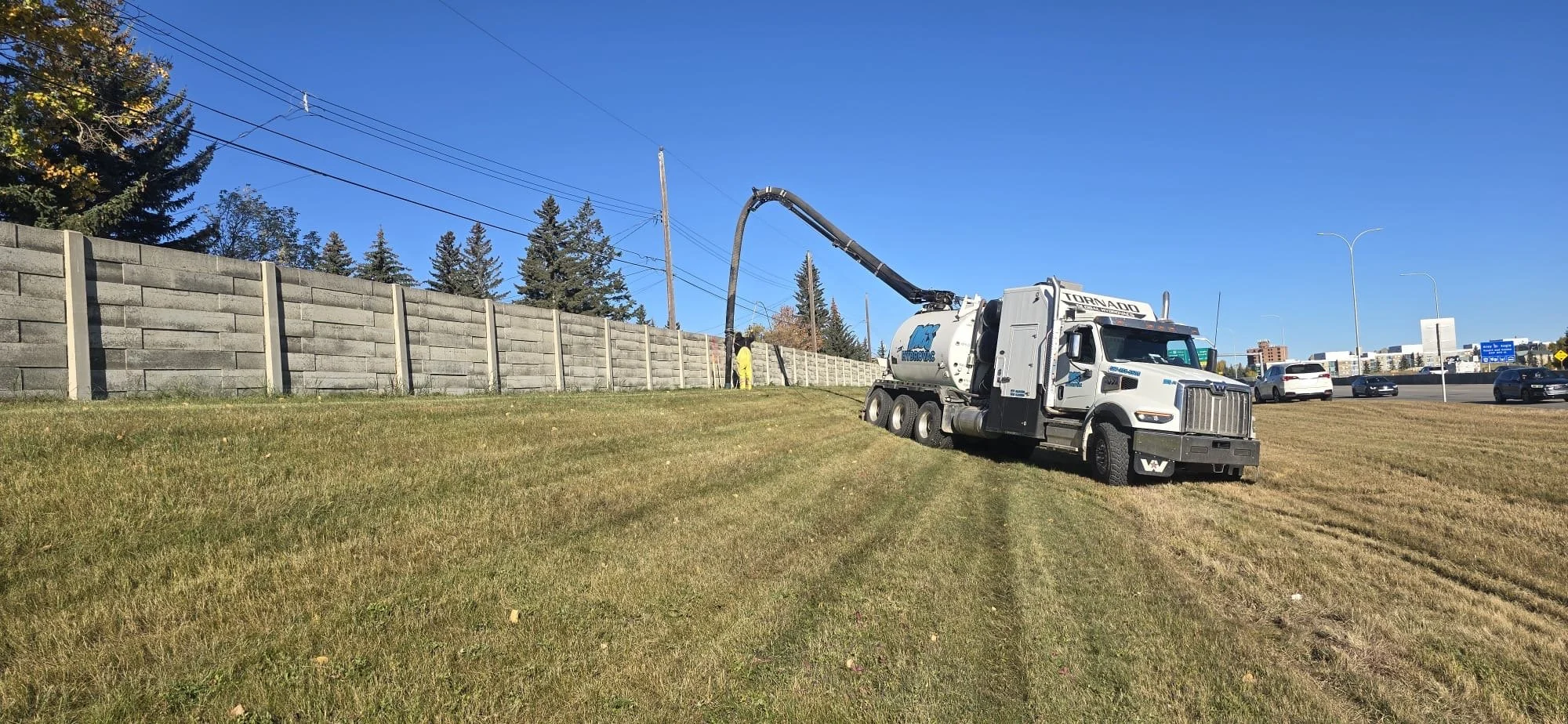
Hydrovac potholing uses high-pressure water to break apart soil while a vacuum system removes the resulting material into a debris tank on the hydrovac truck.
This controlled excavation method allows operators to expose underground utilities without damaging them.
Traditional mechanical excavation methods can introduce risk when working near buried infrastructure. Hydrovac potholing eliminates much of that risk by allowing crews to carefully expose utilities before excavation work begins.
Potholing is widely used across construction, infrastructure, and energy projects where underground utilities must be verified before excavation proceeds.
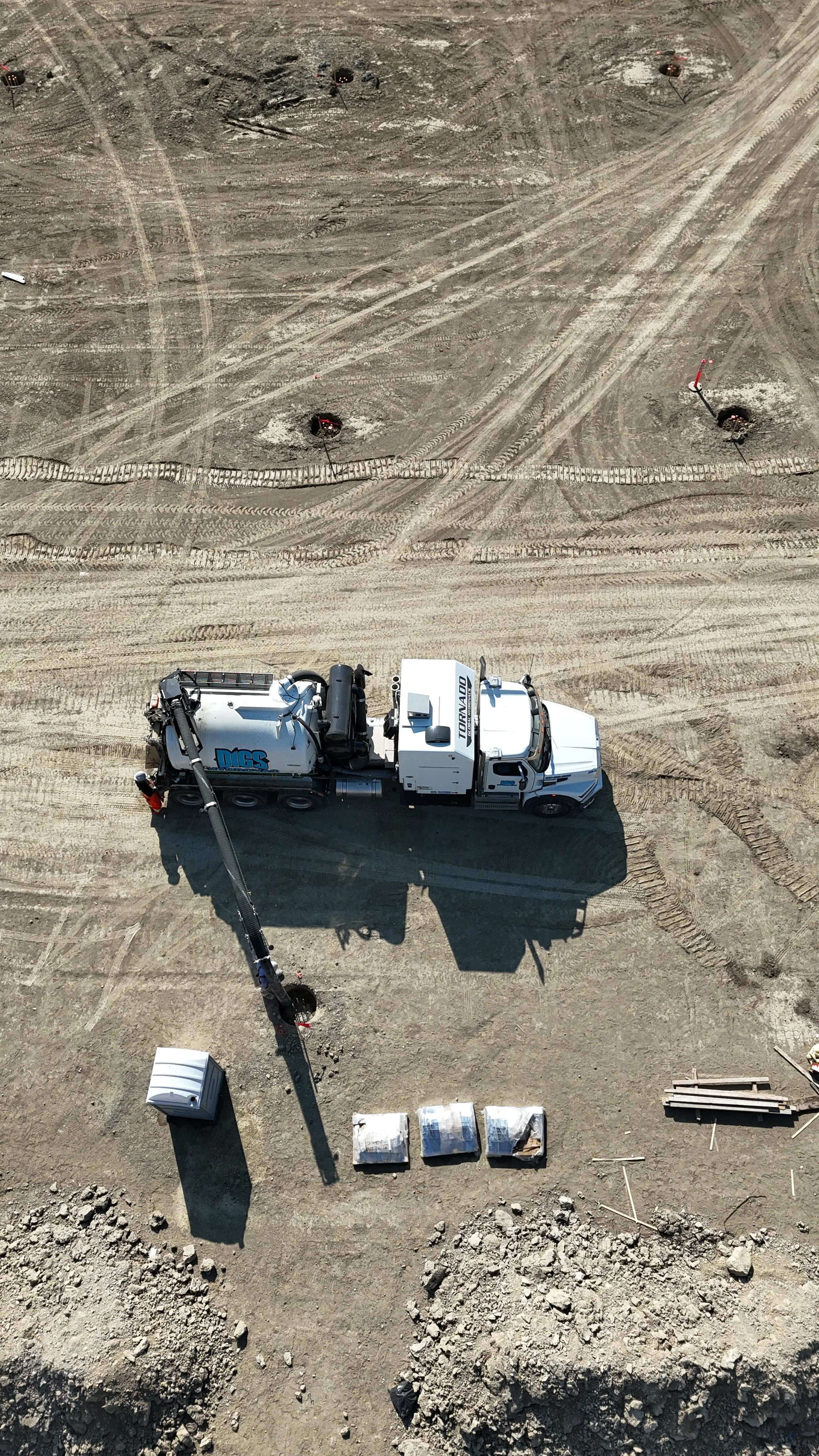
Why Potholing Is Important
Accurately identifying underground utilities is essential for safe excavation. Utility locates and drawings provide valuable information, but they may not always reflect the exact location or depth of buried infrastructure.
Hydrovac potholing provides visual confirmation of underground utilities before excavation begins.
Potholing helps project teams:
verify utility locations
confirm utility depth and alignment
avoid conflicts during excavation
reduce the risk of utility strikes
By confirming underground conditions before excavation begins, potholing improves both safety and project planning.
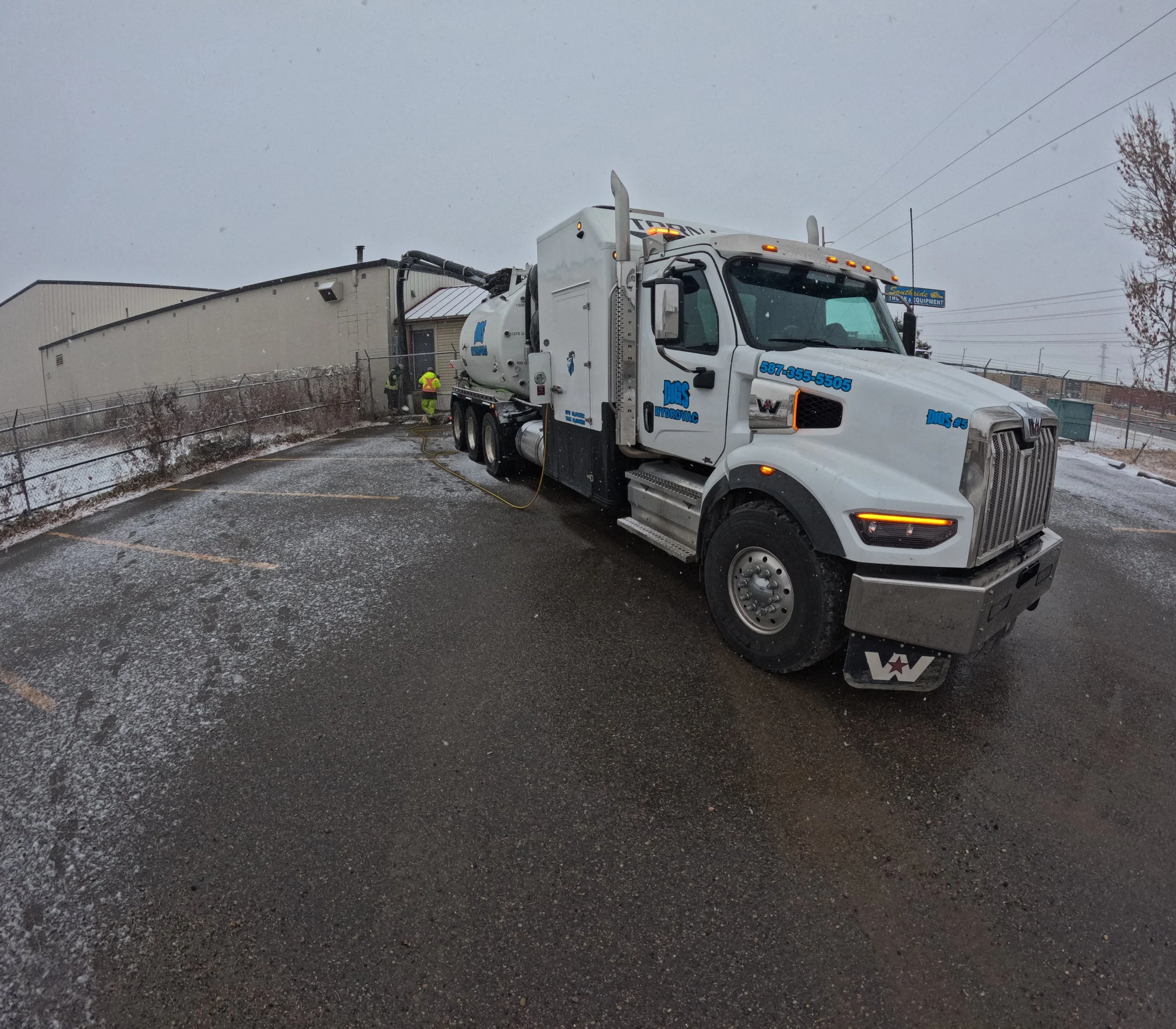
Potholing for Construction Projects
Construction sites frequently contain a network of underground utilities that must be safely exposed before excavation begins.
Hydrovac potholing allows contractors to verify these utilities before trenching, drilling, or excavation work proceeds.
Potholing is commonly used before:
trenching operations
foundation excavation
utility installation
directional drilling
site preparation work
By exposing utilities in advance, contractors gain accurate information about underground infrastructure and reduce the risk of damaging utilities during construction.
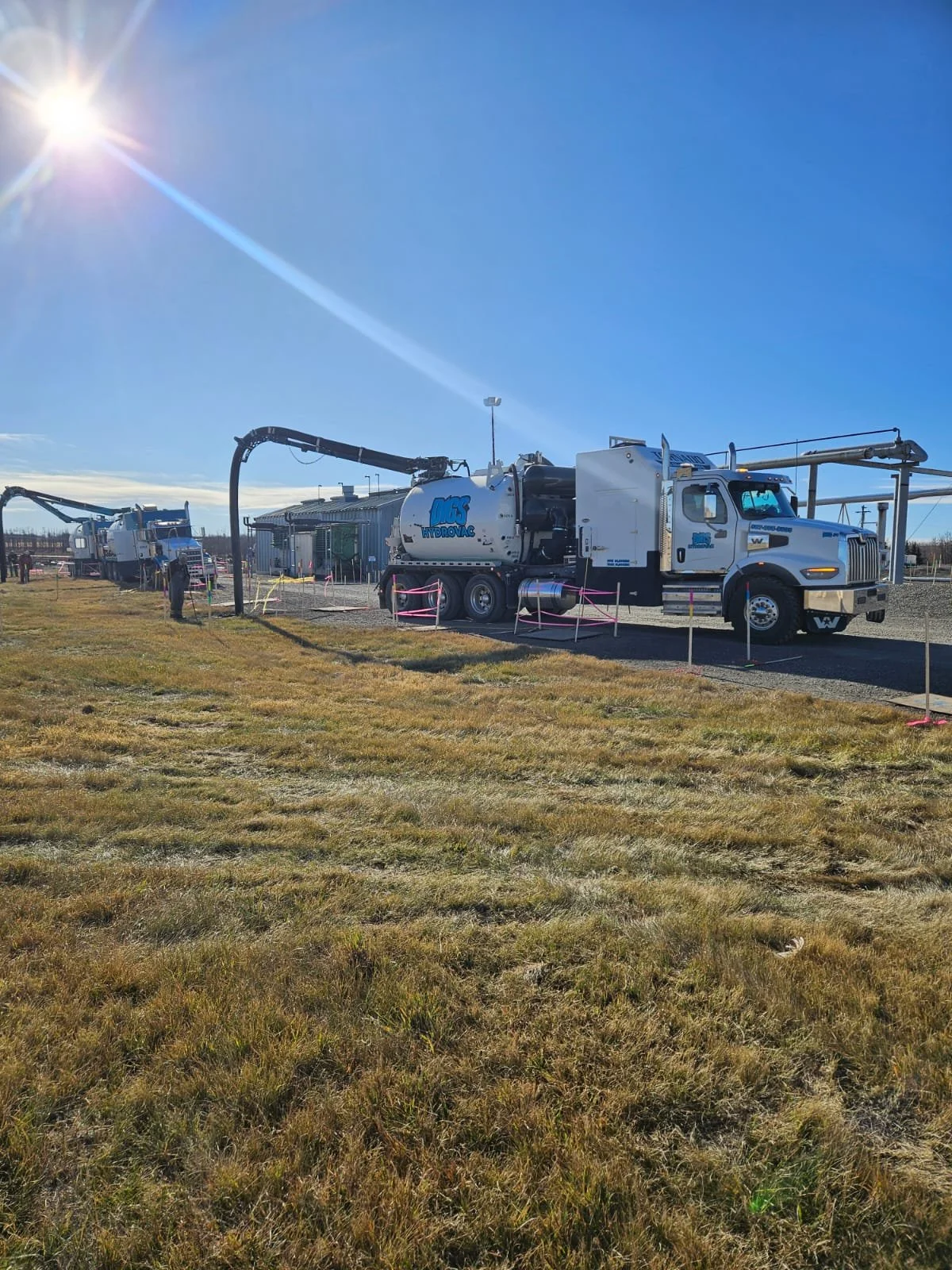
Potholing Before Directional Drilling
Directional drilling is commonly used to install pipelines, fiber optic conduit, and underground utilities beneath roads and infrastructure corridors.
Before drilling begins, contractors must verify the location of underground utilities along the drilling path.
Hydrovac potholing allows crews to safely expose these utilities before drilling begins.
This process helps contractors:
confirm utility locations
verify depth of underground infrastructure
avoid conflicts during drilling
improve drilling accuracy
Potholing is often performed at multiple points along a proposed drilling route to ensure underground infrastructure is clearly understood.

Potholing in Urban Construction Environments
Urban environments such as Calgary often contain dense underground infrastructure networks where multiple utilities share the same corridor.
Hydrovac potholing allows crews to safely expose utilities in these congested environments while minimizing disruption to surrounding ground conditions.
Because hydrovac excavation removes soil precisely, potholing is well suited for work in:
urban construction sites
municipal infrastructure projects
roadway excavation projects
This controlled excavation method allows contractors to safely verify underground infrastructure before excavation begins.

Industries That Use Hydrovac Potholing
Hydrovac potholing is widely used across industries where underground utilities must be safely verified before excavation.
Common industries that rely on potholing include:
construction and development projects
municipal infrastructure upgrades
telecommunications and fiber installation
environmental remediation projects
These industries use potholing as part of responsible excavation planning and risk management.
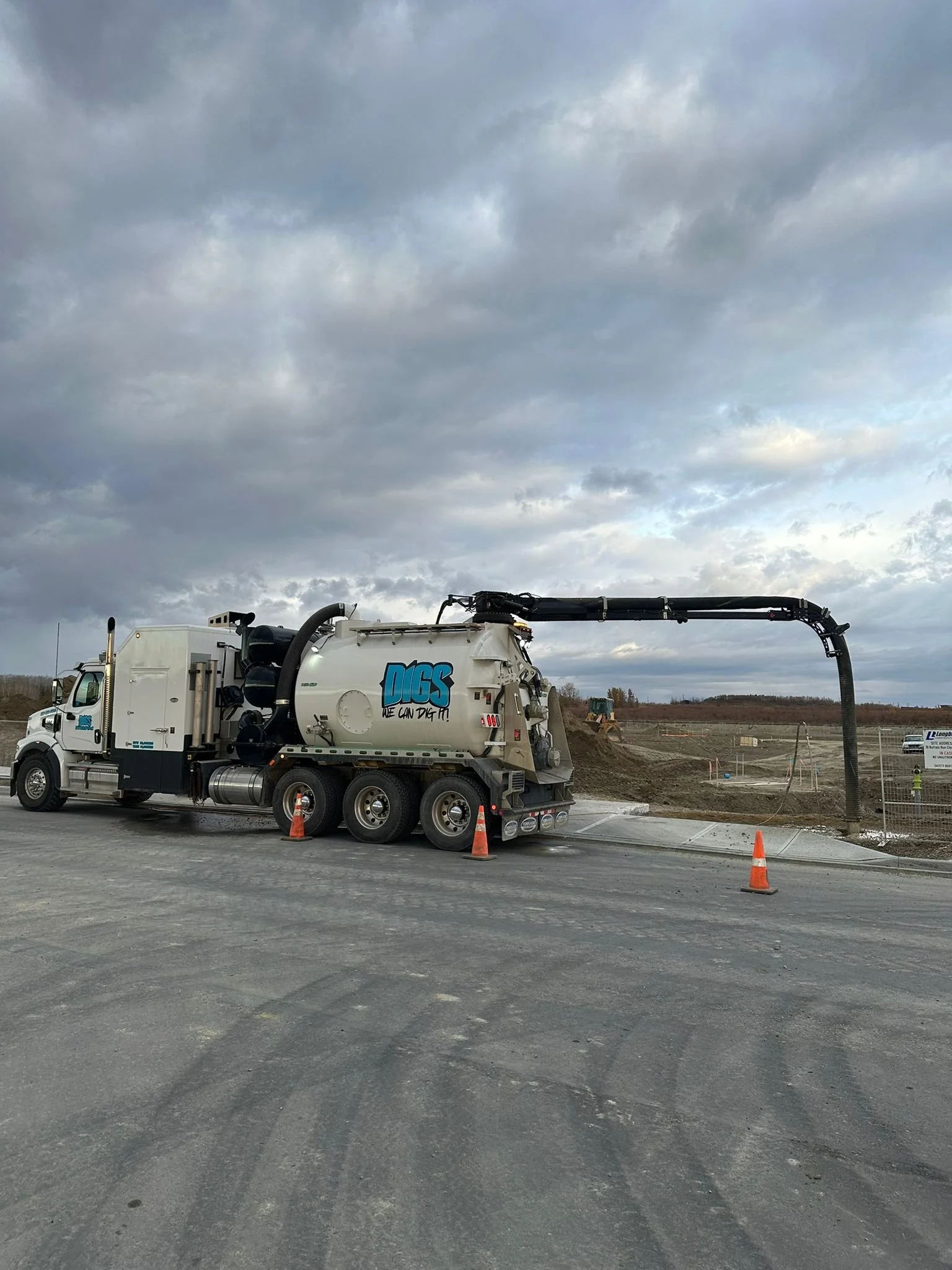
Benefits of Hydrovac Potholing
Hydrovac potholing provides several advantages compared to traditional excavation methods.
Key benefits include:
Improved excavation safety
Hydrovac potholing reduces the risk of damaging underground utilities.
Accurate utility verification
Utilities can be visually confirmed before excavation begins.
Minimal ground disturbance
Hydrovac excavation removes soil precisely, reducing unnecessary disruption.
Cleaner excavation sites
Material is removed through the vacuum system, keeping work areas organized.
Better project planning
By confirming underground conditions in advance, contractors can plan excavation work more effectively.
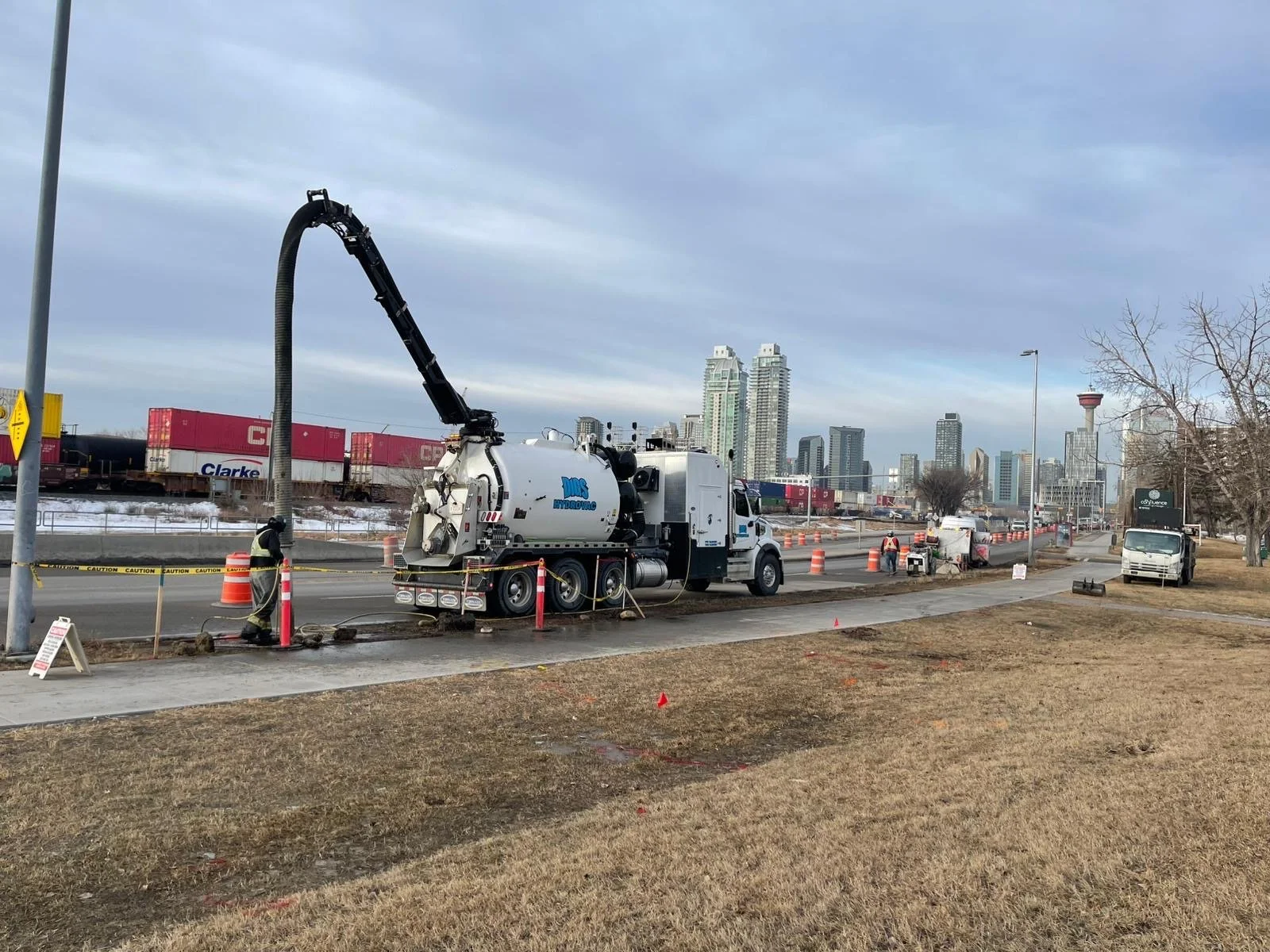
Hydrovac Potholing in Calgary
Construction and infrastructure projects across Calgary frequently require potholing due to the complexity of underground utility networks.
Rapid development, aging infrastructure, and dense utility corridors often require contractors to carefully verify underground utilities before excavation begins.
Hydrovac potholing provides a safe and reliable method for exposing underground infrastructure in these environments.
DIGS Hydrovac regularly supports contractors across Calgary by providing potholing services that allow excavation projects to proceed safely and efficiently.

Related Hydrovac Services
Potholing is often performed alongside other hydrovac excavation services depending on project requirements.
DIGS Hydrovac also provides:
These services work together to ensure underground infrastructure can be safely exposed before excavation begins.
Potholing FAQ
What is potholing in excavation?
Potholing is the process of creating small excavation holes to expose underground utilities so their location and depth can be verified before excavation begins.
Why is potholing used before construction?
Potholing allows contractors to confirm underground utilities before trenching or drilling begins, reducing the risk of damaging infrastructure.
What utilities are exposed during potholing?
Potholing is commonly used to expose gas lines, water mains, electrical conduit, telecommunications cables, and sewer infrastructure.
Is hydrovac potholing safer than mechanical excavation?
Yes. Hydrovac potholing uses pressurized water and vacuum technology to carefully remove soil without damaging underground utilities.
When should potholing be performed?
Potholing is typically performed before trenching, directional drilling, or excavation work begins near underground infrastructure.
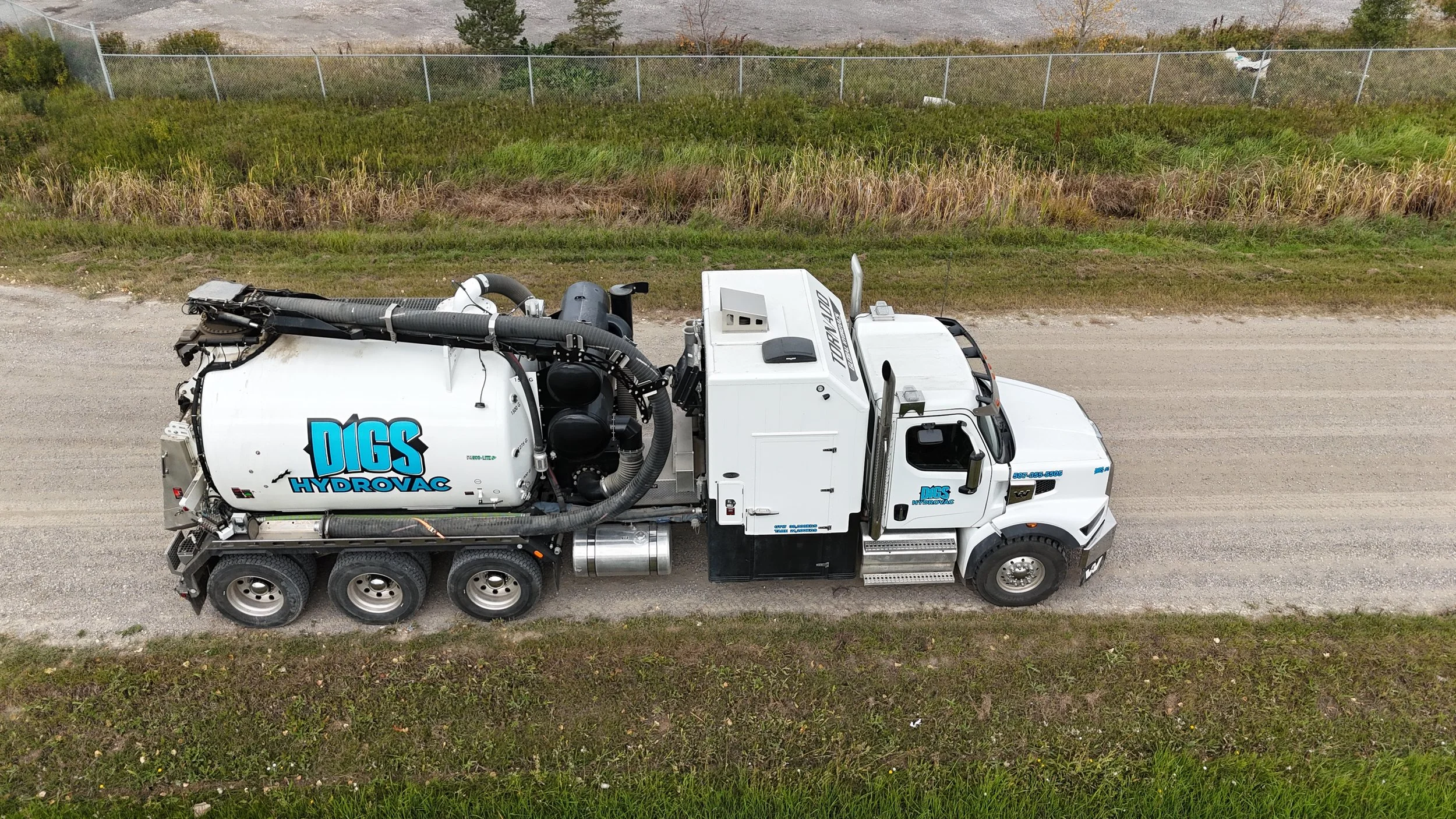
Hydrovac Potholing Services
DIGS Hydrovac provides professional potholing services supporting construction, municipal infrastructure, telecommunications, and pipeline projects across Calgary and Western Canada.
If your project requires accurate underground utility verification, our hydrovac crews can help ensure excavation is performed safely and efficiently.