A hydrovac can perform precision excavation in places where an excavator cannot safely dig, but the truck still needs a workable way into the project. On congested construction sites, access planning can determine whether the hydrovac is productive or spends much of the shift repositioning and waiting.
Downtown projects, commercial developments, active subdivisions, industrial facilities and municipal road work all create different access challenges. The excavation may be small, but the truck, hose, traffic and spoil logistics require space.
Planning access before dispatch helps contractors get more productive time from the hydrovac and reduces conflicts with other trades.
Start With the Excavation Point
Identify exactly where the excavation will occur and work backward. How close can the truck safely get? Is there a stable positioning area? Are there curbs, fences, buildings, landscaping or traffic lanes between the truck and the work?
A site photo or marked-up plan can quickly identify potential issues before mobilization.
Consider the Size and Movement of the Truck
Hydrovac units are heavy commercial vehicles. They require adequate road width, turning room, overhead clearance and stable ground.
Temporary construction access that works for a pickup truck may not be appropriate for a loaded hydrovac. Soft shoulders, steep grades and tight corners should be considered.
Keep Other Trades in the Plan
A perfect hydrovac position may also be the crane setup area, concrete access route or excavator swing zone. Congested sites require coordination between supervisors so one activity does not block another.
Where possible, define a hydrovac work window and keep the required route and positioning area clear.
Traffic and Public Interface
Municipal and urban projects may require the truck to work near live traffic, sidewalks or public access. Traffic control, permits and safe work zones need to be established according to project requirements.
Hose routing should also avoid creating unnecessary trip hazards or conflicts with pedestrians and equipment.
Use Remote Hose Strategically
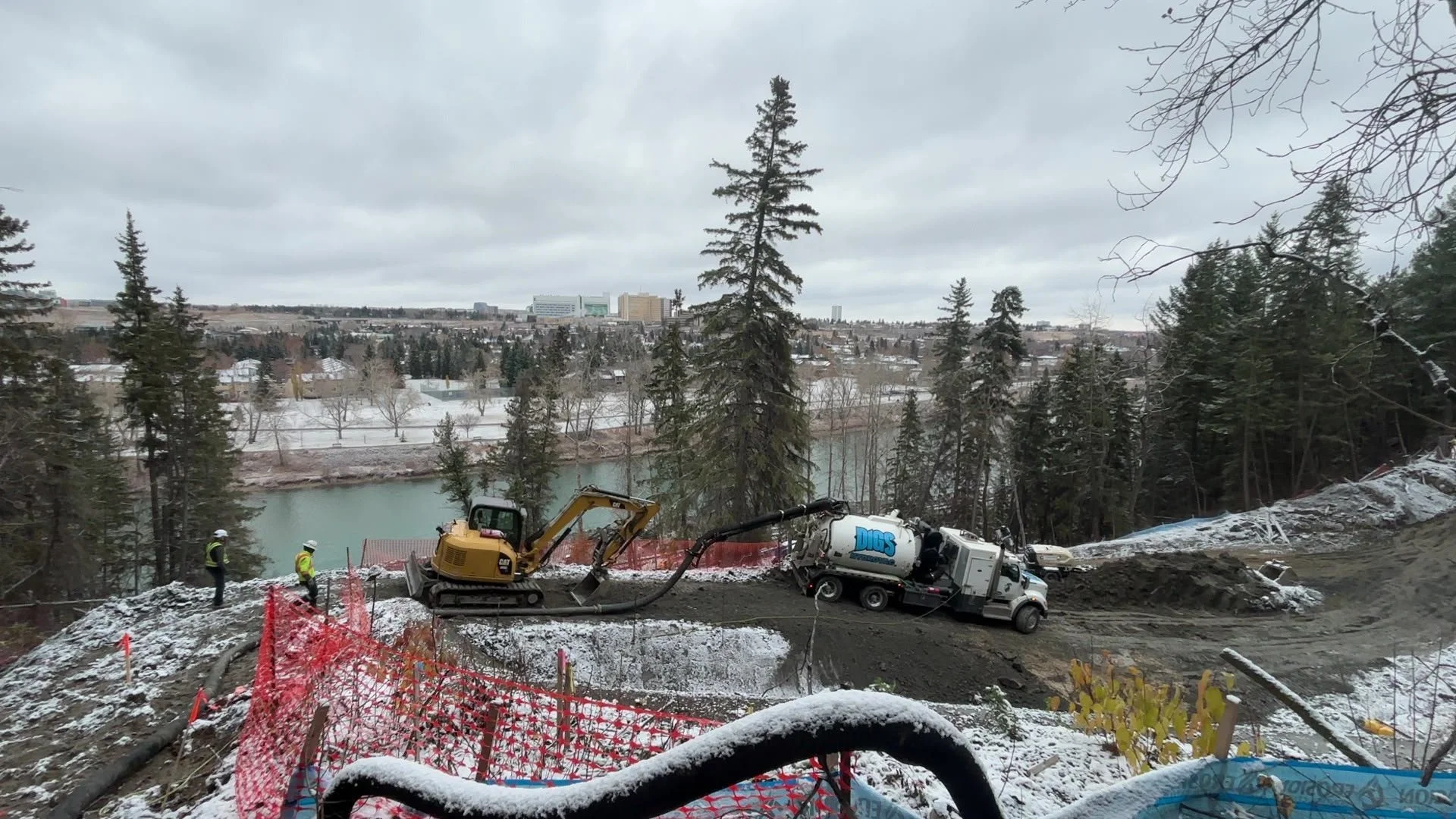
When the truck cannot reach the excavation directly, remote hose can be an effective solution. It can allow work behind buildings, across finished areas, inside compounds or down embankments.
Remote hose is not identical to excavating directly beside the truck. Distance, elevation, material and setup can affect production, so it should be included in the plan and estimate.
Plan for Water and Disposal Movement
The truck may need to leave for water or disposal. On a congested site, that means the access route has to work more than once.
If moving other equipment is required every time the hydrovac enters or exits, the disruption can become significant. A clear traffic plan helps maintain the cycle.
Think About the End of the Shift
Excavation planning should include what happens to the opening after the hydrovac is finished. Will another crew work immediately? Does the area require barricades or protection? Is restoration occurring the same day?
Coordinating the handoff reduces the amount of time open excavations remain on an active site.
How DIGS Approaches Difficult Access
DIGS regularly works in urban, residential, industrial, municipal and remote environments where access is limited. Our team can review the scope, truck positioning, remote hose requirements and logistics before mobilization.
The objective is simple: arrive with a workable plan so the crew can focus on safe, productive hydrovac excavation.
Frequently Asked Questions
How close does a hydrovac truck need to be to the excavation?
Direct positioning is often most efficient, but remote hose can extend the excavation point when site access is limited.
Can a hydrovac work behind a building or fence?
Often, yes, depending on hose routing, distance, elevation and site safety.
What access information should I provide when booking?
Photos, site address, excavation location, truck route, access restrictions, overhead hazards and anticipated remote hose requirements are all useful.
Can hydrovac work in active traffic areas?
Yes, when the project has appropriate traffic control, permits and safe positioning arrangements.
Need hydrovac support for your next project?
DIGS Hydrovac provides safe, responsive excavation support across Calgary, Edmonton and Alberta. Our experienced operators support planned projects, time-sensitive infrastructure work and 24/7 requirements.